


A kitchen can look impressive in a showroom and still feel wrong once family life begins. The best kitchen styles do more than set a visual direction: they shape how the room feels at breakfast, how easily it works when guests arrive, and whether it still suits your home years from now. Choosing a style is therefore less about following a passing trend and more about finding the right balance of character, practicality, and proportion.
For homeowners planning a major renovation, cabinetry is usually the biggest visual decision. Its door profile, finish, handles, color, and internal storage all influence the final result. Start with the architecture of your property and the way you want to use the room, then let those details guide the design.
Start With How You Want the Kitchen to Feel
Before comparing door styles, consider the atmosphere you want to create. A period terrace, a modern extension, and a family home with an open-plan living area may all need very different approaches. That does not mean a traditional kitchen cannot work in a newer home, or that a contemporary design cannot sit comfortably in an older property. It means the details need to be considered carefully.
Think about the level of visual calm you prefer. Do you enjoy cabinetry with texture, framed doors, and warm timber tones? Or would you rather have clean lines, integrated appliances, and uninterrupted surfaces? Also consider how much the kitchen will be seen from adjoining rooms. In an open-plan space, it often needs to complement your furniture and living area as much as it serves as a practical workspace.
A well-planned design also accounts for real routines. Families who cook frequently may prioritize generous drawer storage, durable worktops, and an island with seating. Those who entertain may place more emphasis on a sociable layout, a drinks area, and appliances that make hosting easier. Style and function should support one another, not compete.
Popular Kitchen Styles and What Defines Them
Shaker kitchens: enduring and adaptable
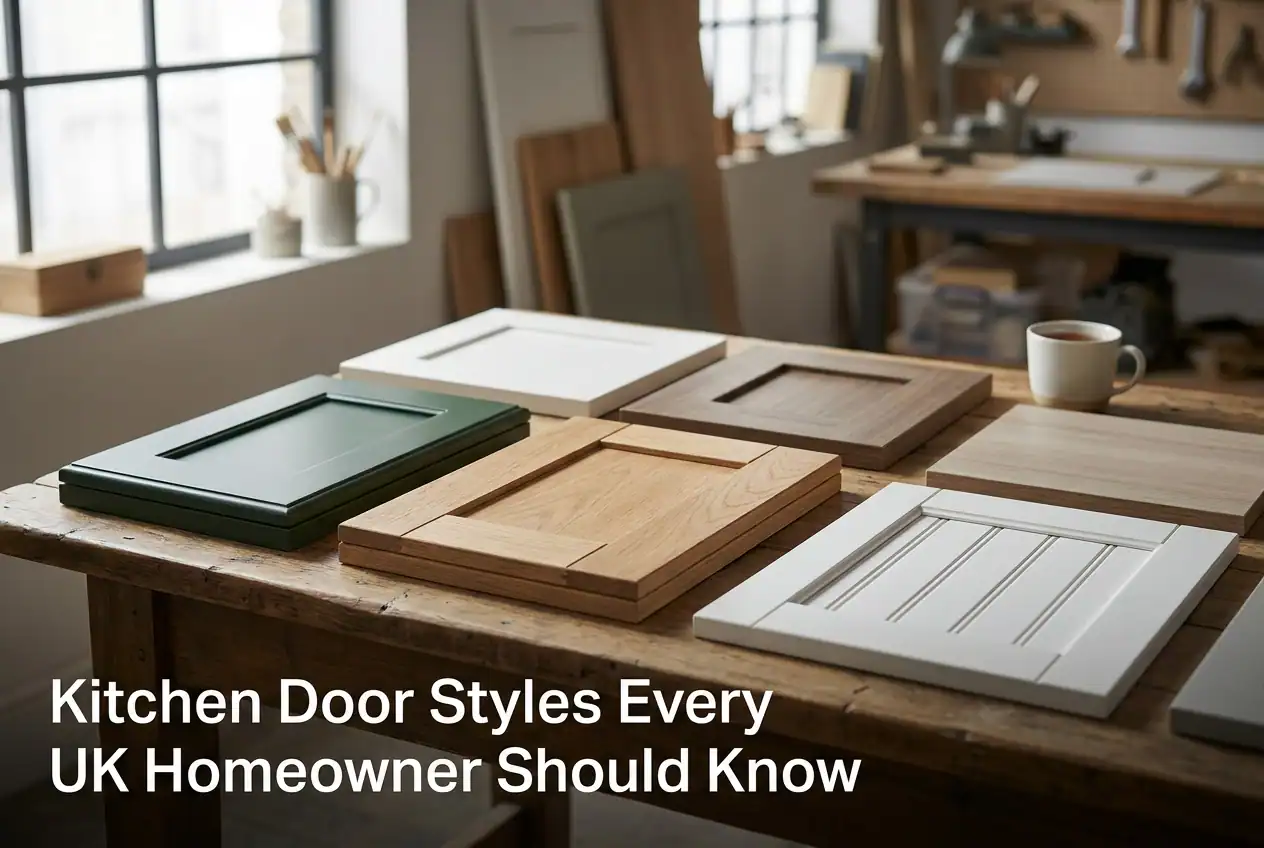
Shaker is one of the most enduring kitchen styles because it offers enough detail to feel warm and crafted without becoming overly ornate. The familiar five-piece door has a recessed center panel and clean frame, making it equally at home in a country property, a Victorian house, or a contemporary family extension.
Its versatility lies in the finish. A painted Shaker kitchen in soft white, warm gray, or muted green can feel relaxed and classic. Deep navy, charcoal, or black creates a more tailored, dramatic look, especially when paired with brass or aged bronze hardware. Timber accents, a quartz worktop, and a more traditional handle can take it toward a heritage feel, while a simple bar pull and crisp worktop edge make it more contemporary.
The trade-off is that framed doors create more visual lines than a flat-fronted kitchen. In a very small or dark room, a pale color and thoughtful lighting will help keep the look open.
Modern handleless kitchens: clean and architectural
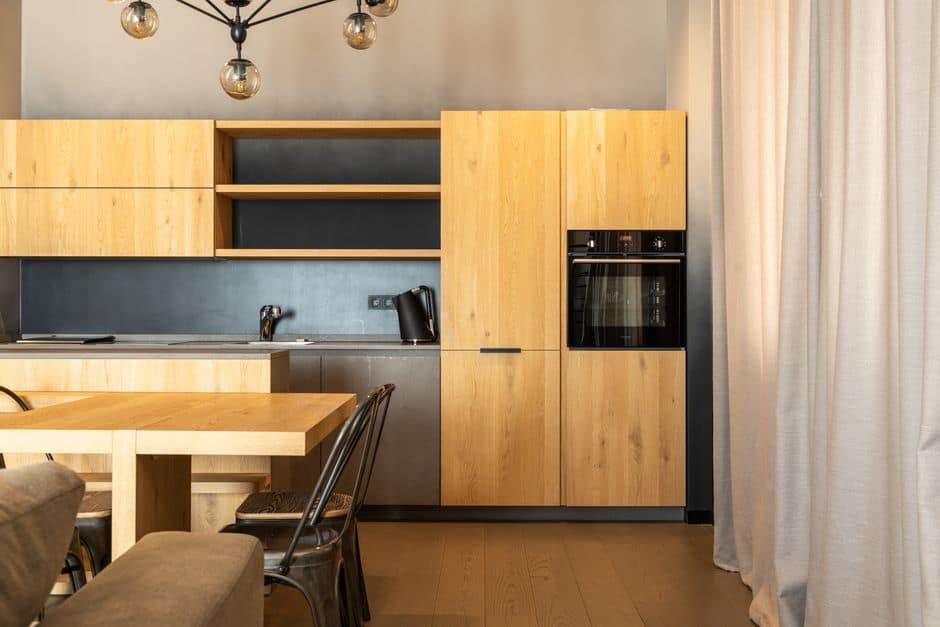
For a more streamlined look, handleless cabinetry brings a calm, architectural quality to the room. Doors may use a recessed rail, integrated grip, or push-to-open mechanism, reducing visual interruption and allowing the cabinetry to read as one continuous surface.
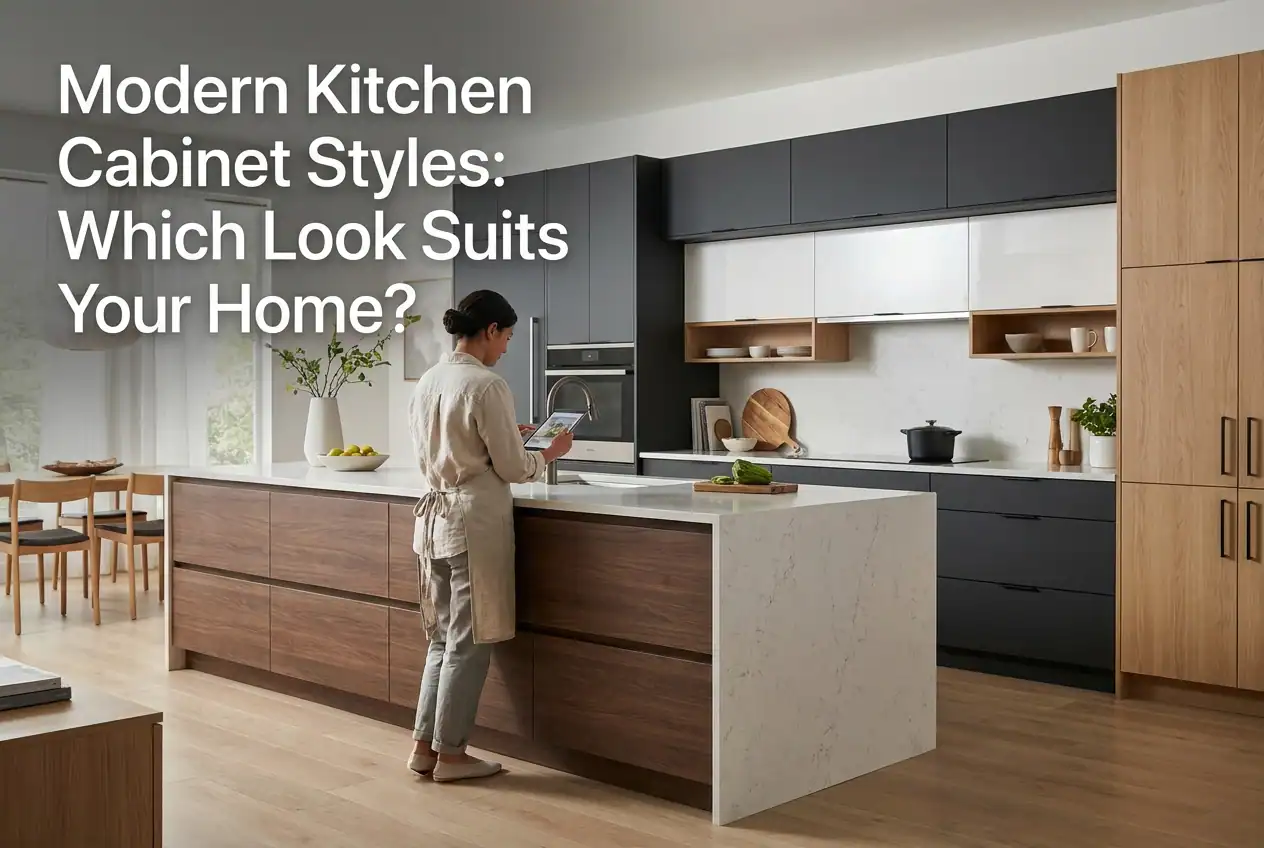
This style works particularly well in modern homes and extensions, where large windows, open-plan layouts, and minimal detailing call for a more restrained approach. Matte finishes offer a softer appearance than high gloss and are often more forgiving of fingerprints. Wood-effect finishes can prevent a handleless design from feeling stark, while a contrasting island can add depth without clutter.
Handleless kitchens need precise planning. The rail color, alignment of cabinet doors, appliance housing, and worktop edge all become more noticeable because there are fewer decorative features to distract the eye. It is also worth testing the opening method in person. Some homeowners love the uninterrupted look, while others prefer the tactile ease of a handle.
Traditional kitchens: detail, depth, and permanence
Traditional kitchen design is ideal for homeowners who want the room to feel established, welcoming, and connected to the character of the house. Beaded door frames, glazed cabinets, cornices, pilasters, and richer paint colors can all contribute to this style. It is especially effective in period homes, but it can also bring substance to a newer build that lacks original architectural detail.
The key is restraint. Too many decorative elements can make a kitchen feel busy, particularly when the room is compact. Rather than adding every traditional feature, choose a few that matter most: perhaps a beaded door, a chimney-style hood surround, and a classic bridge tap. Pairing these with well-organized storage and integrated appliances keeps the kitchen practical for modern life.
Natural materials are particularly important here. A timber or timber-effect finish, a softly veined quartz worktop, and antique-style hardware can lend genuine warmth. The result should feel considered rather than themed.
Transitional kitchens: the confident middle ground
Many of the most successful kitchens do not sit neatly in one category. Transitional design combines the approachable character of classic cabinetry with cleaner contemporary details. A simple Shaker door in a deep matte paint, paired with a slim worktop and minimal hardware, is a good example.
This approach is often a wise choice when you want a kitchen with longevity. It avoids the risk of a highly decorative scheme feeling dated, while retaining more personality than an entirely minimalist space. It also works well when a kitchen connects to rooms furnished in a mix of old and new pieces.
Color, Materials, and Hardware Change the Story
The same cabinet door can look entirely different depending on its specification. Color is usually the first thing people notice, but it should be chosen alongside the room’s natural light, flooring, wall finishes, and worktop.
Lighter cabinetry can make a smaller kitchen feel more expansive, although an all-white scheme may need timber, texture, or a contrasting island to avoid feeling flat. Darker colors create depth and can make a larger room feel grounded, but they benefit from good lighting and sufficient contrast in the worktop or backsplash.
Worktops deserve equal attention. Quartz offers consistency, durability, and a broad range of colors, from understated pale stone effects to striking dramatic veining. Timber adds warmth and character but requires more care. Laminate can offer excellent value and convincing modern finishes, particularly where a practical, hard-working surface is the priority.
Hardware is the finishing touch that can either reinforce or soften a style. Knobs and cup pulls add a traditional note, while slim bars feel more modern. Brass and bronze introduce warmth; chrome and stainless steel give a crisper look; black handles can add definition to pale painted doors. These choices may seem small, but they are touched every day and carry real visual weight.
Let Layout Lead the Design
A beautiful door style cannot solve a poorly planned kitchen. The layout should be developed around circulation, storage, preparation space, and the appliances you use most. An island can be transformative, but only if there is enough clearance around it for doors, drawers, and people to move comfortably.
Consider where groceries enter the house, where small appliances will live, and whether the kitchen needs a dedicated pantry or utility storage. Tall cabinetry can create an elegant, ordered look while housing ovens, refrigeration, and dry goods. Deep drawers make everyday cookware accessible. A boiling-water tap can reduce countertop clutter by replacing the kettle, while carefully integrated recycling keeps a high-use area more organized.
This is where professional design and managed installation make a meaningful difference. At Broadoak Kitchens, the aim is not simply to select attractive cabinets, but to coordinate the cabinetry, worktops, appliances, trades, and finishing details so the finished room works as confidently as it looks.
Choose a Style You Will Still Enjoy on an Ordinary Tuesday
Trends can be useful for inspiration, but your kitchen should not depend on them. A color you love, a cabinet profile that suits your property, and materials that can handle the pace of your household will always matter more than a look that photographs well for a season.
Take time to view door samples in your own light, open drawers and cabinets, and picture the room during its busiest moments. The right choice is the kitchen style that welcomes people in, supports the way you live, and makes the everyday routines of home feel a little more considered.
Leave a Reply
You must be logged in to post a comment.